History of Price-Fixing: Why the 1960s "Phases of the Moon" Case Predicts the HVAC Lawsuit Outcome
The HVAC price-fixing allegations aren't without precedent. For over a century, cartels in the building trades have been caught, prosecuted, and broken. Here's what happened before - and what it means for Berg v. Bosch.

Founder & CEO, Upward Bound Media
This is part of our comprehensive HVAC Price-Fixing Lawsuit Resource Hub.
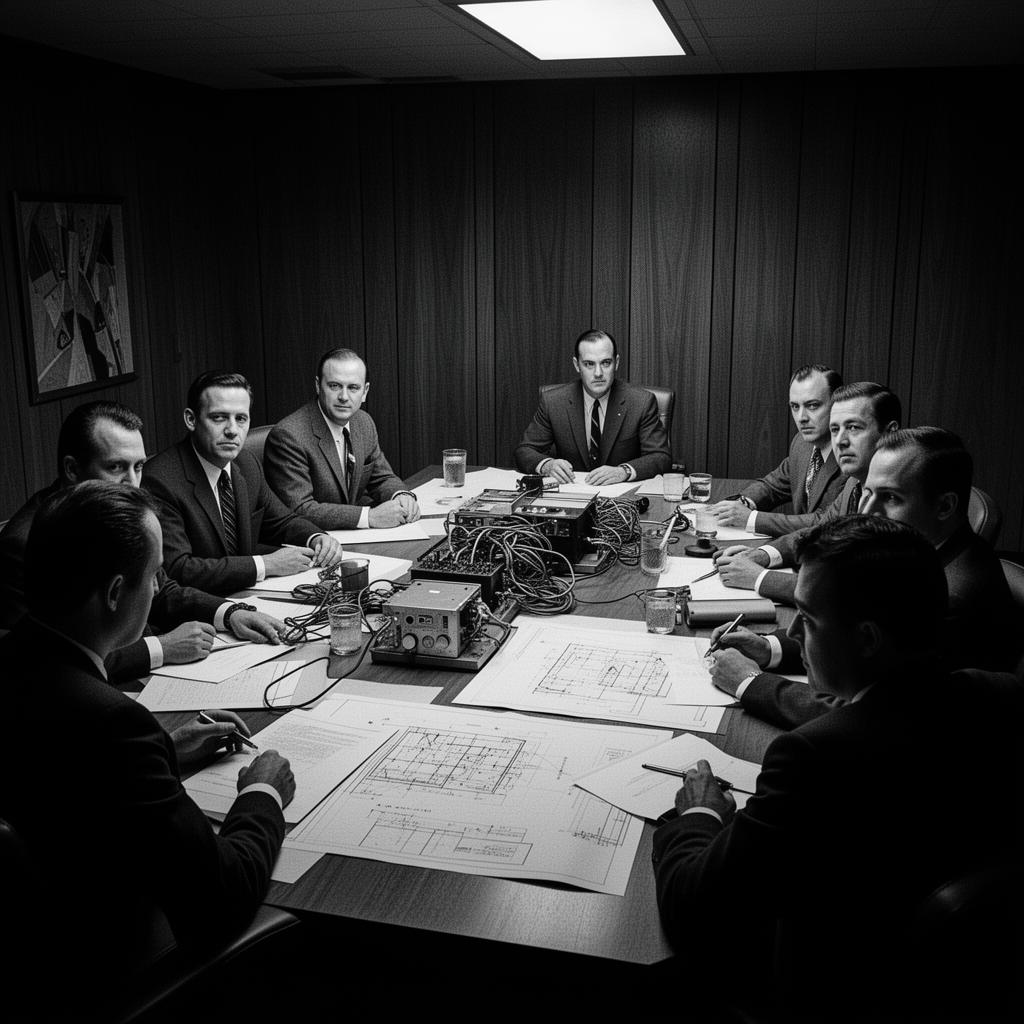
Illustration: The 1960s Electrical Equipment Conspiracy involved secret meetings where executives coordinated bids using a "phases of the moon" schedule.
What Is the Sherman Antitrust Act?
The Sherman Antitrust Act of 1890 is the foundational U.S. federal law that prohibits business activities deemed anticompetitive. Section 1 specifically outlaws "every contract, combination, or conspiracy in restraint of trade." Violations can result in criminal imprisonment, corporate fines, and civil treble damages - meaning plaintiffs can recover three times the actual harm caused.
The HVAC price-fixing complaint (Berg v. Bosch, 2026) is filed under Section 1 of the Sherman Act. This is the same law that has been used to break up cartels in every major industry over the past 130 years, from Standard Oil to the modern auto parts conspiracy.
TREBLE DAMAGES // SHERMAN ACT
Under the Sherman Act, if these manufacturers are found guilty, they face Treble Damages. This means they must pay 3× the total overcharge back to the victims. For a $31 billion industry, this could be the largest financial settlement in the history of the trades.
From "Phases of the Moon" to "Public Signaling": How Cartels Evolved
INTELLIGENCE BRIEFING // CARTEL EVOLUTION
In the 1960s, General Electric and Westinghouse executives used a literal "phases of the moon" schedule to rotate who would win bids. They met in hotel rooms, used codenames from phone books, and divided up government contracts according to a lunar calendar.
Today, the HVAC "Big Seven" are accused of a more sophisticated version: Public Signaling. Instead of meeting in hotel rooms, they allegedly use public earnings calls and industry publications like ACHR News to broadcast price hikes, ensuring no one "breaks rank" and lowers prices to win market share. The mechanism evolved. The outcome - artificially inflated prices - allegedly stayed the same.
The legal challenge is different now. In 1961, prosecutors had hotel receipts and coded phone records. In 2026, the Berg v. Bosch plaintiffs must prove that public earnings calls and ACHR News price announcements served the same coordinating function - without the smoking-gun evidence of a hotel room meeting.
The 1960s Electrical Equipment Conspiracy
The most direct historical parallel to the current HVAC case is the Great Electrical Conspiracy of the late 1950s and early 1960s. General Electric, Westinghouse, and 27 other manufacturers of turbines, transformers, and circuit breakers were found guilty of conspiring to fix prices on electrical equipment worth billions of dollars.
The conspiracy worked remarkably similarly to what is alleged in the HVAC case:
- Secret meetings at trade association events and hotel rooms where executives divided up bids
- Rotating "price leadership" using the infamous "phases of the moon" schedule to assign which company submitted the lowest bid
- Coded communications using phone books and aliases to coordinate pricing
- Public price announcements that served as signals to competitors - the original "public signaling"
CASE OUTCOME // 1961
7 executives sentenced to federal prison - the first criminal imprisonment for antitrust violations in U.S. history.
$500 million+ in damages awarded (equivalent to $5+ billion in today's dollars).
Competitive pricing returned to the electrical equipment market. Innovation accelerated as companies had to compete on value rather than coordinated margins.
Historical Price-Fixing Cases: Then vs. Now
Every major antitrust case shares a common pattern. The table below maps the historical strategy to its modern HVAC equivalent - the connection that prosecutors in Berg v. Bosch are expected to draw.
| Case | Year | The Strategy | Modern HVAC Parallel | Outcome |
|---|---|---|---|---|
| GE/Westinghouse Conspiracy | 1960–1961 | Secret Hotel Meetings | Public Investor Calls | 7 executives imprisoned, $500M+ damages |
| Lysine Price-Fixing (ADM) | 1996 | Executive Conspiracy | CFO 'Price Discipline' Statements | $100M fine, exec imprisonment |
| Auto Parts Cartel | 2011–2016 | Global Component Monopolies | Midea/Gree OEM Partnerships | 48 companies, $2.9B in fines |
| LCD Panel Price-Fixing | 2008–2012 | Global Supply Restriction | Factory Production Cuts | $1.4B in fines, class action settlements |
| Gypsum Board Conspiracy | 2013–2016 | Coordinated 'Announced' Hikes | ACHR News Price Announcements | $700M+ in settlements |
| Berg v. Bosch (HVAC) | 2026– | Public Signaling | All of the above | Pending |
What Happens to Prices After a Cartel Is Broken?
Historical data shows that prices in cartelized industries typically decline 15–25% within 2–3 years of successful prosecution. After the electrical equipment conspiracy was broken, competitive bidding returned and innovation accelerated as companies had to compete on value rather than coordinated pricing.
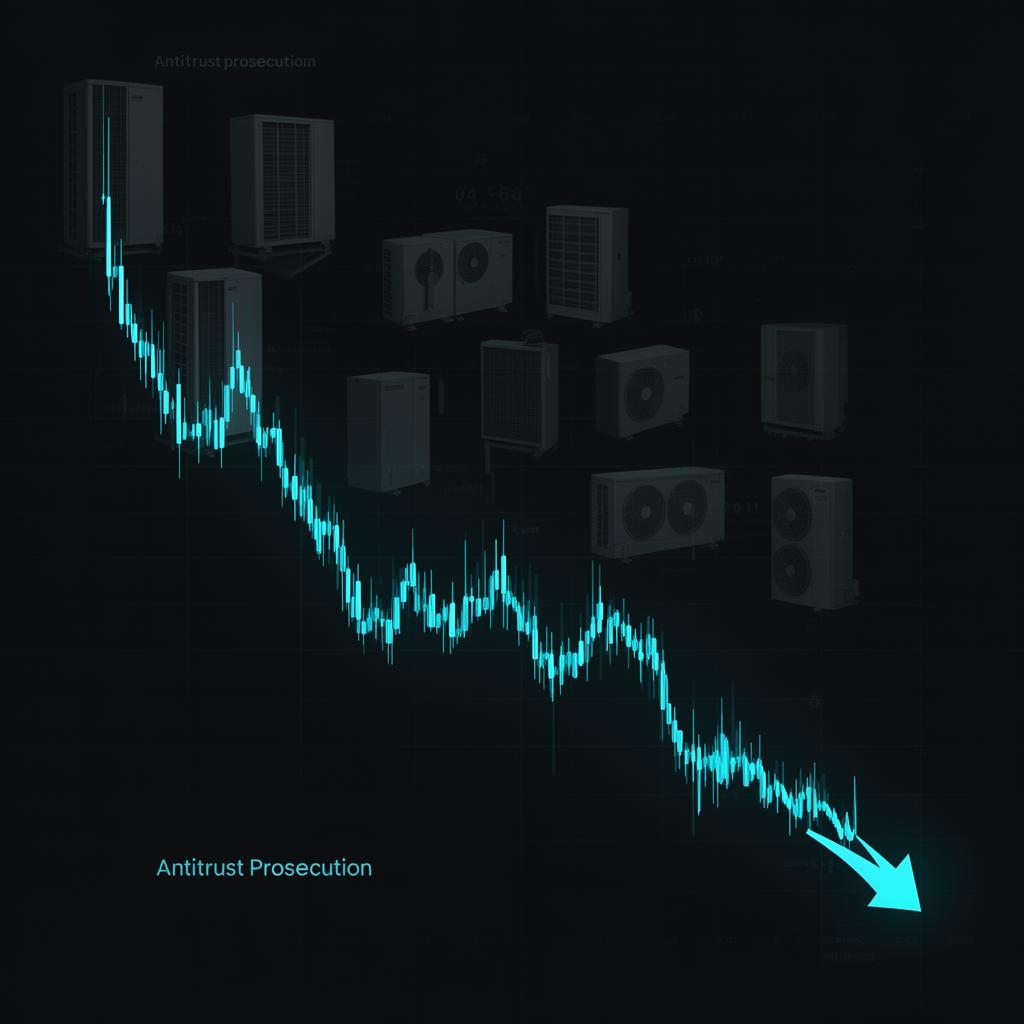
Historical pattern: Equipment prices decline 15-25% within 2-3 years after cartel prosecution.
HISTORICAL PATTERN // CARTEL PRICE COLLAPSE
Cartel Active
Prices inflated 15–25% above competitive levels
Prosecution Filed
Legal proceedings begin; market uncertainty
Price Decline (2–3 Years)
Competitive pricing returns; 15–25% correction
The pattern is consistent across industries: once the coordination mechanism is disrupted, competitive forces return. For HVAC contractors, this could mean meaningful equipment cost relief if the lawsuit succeeds - but the timeline is measured in years, not months.
A Veteran's Perspective: Why This History Matters Today
MARK CANTRELL // 15-YEAR TRADES VETERAN
"I've watched these manufacturers operate for 15 years. In the past, if copper dropped, we saw 'seasonal specials' or rebates. Since 2020, that stopped. Completely. No matter what happened with raw material costs, the prices only went one direction."
"History shows that when companies stop competing on price, they start 'cooperating' on margins. The 1960s Electrical case proved that no company is 'too big to jail.' This 2026 case is the first time in my career the HVAC industry is facing that same level of scrutiny."
"I'm not a lawyer and I'm not making predictions. But I've been in enough crawl spaces and equipment rooms to know when something doesn't add up. And the numbers haven't added up since 2020."
- Mark Cantrell, CEO of Upward Bound Media LLC
Frequently Asked Questions
The Lesson of History
When cartels break, the market becomes volatile. Prices may drop 20%, but only after years of legal battles. To survive the "squeeze" in the meantime, you must build a brand that doesn't rely on manufacturer rebates.
The contractors who control their own lead flow - not just their costs - are the ones who thrive through market upheaval.
The 1960s case took years and the checks that came out the other side didn't save anybody's business. What saved the contractors who made it through was the same thing that saves them now: being the one the customer calls. Our HVAC marketing and SEO program is built around that.
The last cartel case took years. The contractors who survived it weren't waiting.
History says these things resolve slowly and the money, if it comes, comes late. We're tracking this one so you don't have to refresh a docket. Here's the part that pays you in the meantime.
- See our HVAC marketing & SEO program
A trades-built local SEO system that turns Map Pack visibility into repair calls, and repair calls into install jobs.
- Start free: fix your GBP categories
The seasonal category swap most HVAC contractors get wrong. Free, no email required, takes ten minutes.
Verification Data
OFFICIAL REFERENCES & SOURCES
All claims in this article are supported by court filings, federal data, and recognized trade publications. Links open in a new tab.